
New technology trends such as spatial computing and the industrial metaverse offer companies enormous opportunities to capture tangible added value for their future strategy. Immersive 3D applications, virtual and augmented reality applications and digital twins have already made their mark in many areas of the working world, but the benefits of these new, innovative technologies can often not be fully exploited because outdated tech systems within the corporate structure have not yet been modernized.
Integrating new technologies into existing ones can be complex, especially if too many legacy applications are still in use. Legacy systems are often not designed to integrate with modern technologies such as the Industrial Metaverse, transferring data from legacy systems to new platforms can be complex and time-consuming, and seamless collaboration between different systems and platforms is also made more difficult as legacy applications often work in isolation and do not support open standards.
This is why companies are increasingly investing in "self-healing technology", in which self-service capabilities, AI applications and specialized experts ensure maximum productive technology. The self-healing technology market was worth over USD 500 million in 2022 and is expected to grow at a CAGR of 25% from 2023 to 2032.
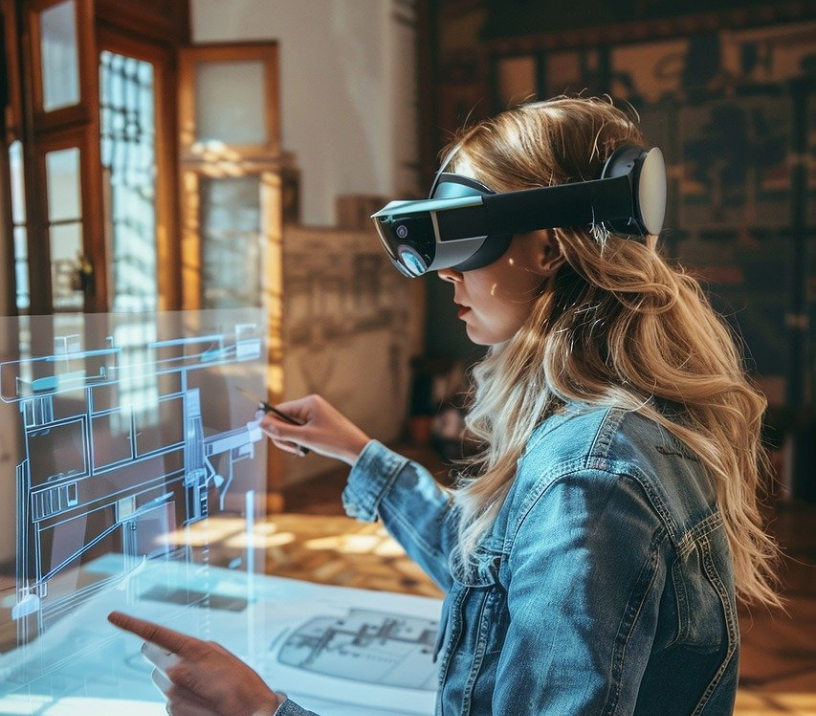

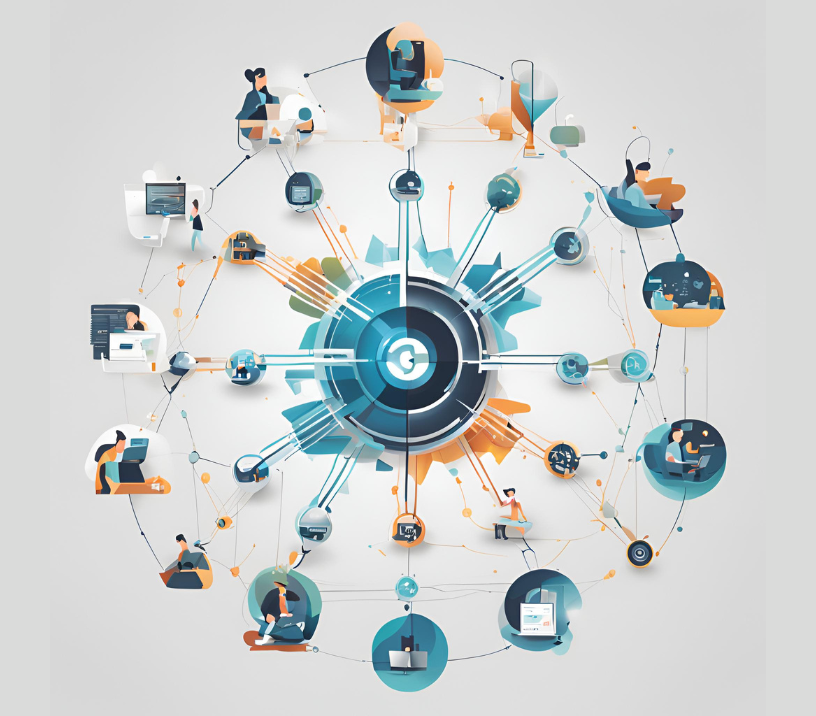
The Industrial Metaverse is a digital extension of the physical world in which real and virtual environments merge. It enables companies to work with digital twins of machines, products and production facilities in order to increase efficiency and innovation.
Core modernization refers to the updating and improvement of a company's central IT infrastructure and systems. This includes the introduction of new technologies, the updating of software and hardware and the optimization of business processes.
"Self-Healing Technology" for companies refers to systems that can automatically detect and rectify errors without human intervention. This technology improves the reliability and availability of IT infrastructures by minimizing downtime and reducing operating costs.
WHY IS CORE MODERNIZATION SO IMPORTANT?
Through core modernization, companies can not only improve their internal processes, but also strengthen their position in the market and prepare for future challenges. The process significantly increases efficiency and productivity by replacing outdated IT systems with modern, more powerful solutions. This enables faster adaptation to changing market conditions and technological innovations. Modernization also reduces operating costs through automation and optimized processes. It also improves the security and reliability of the IT infrastructure, which is essential for protection against increasing cyber threats.
COMBINATION OF CORE MODERNIZATION AND "SELF-HEALING TECHNOLOGY"
By combining core modernization and self-healing technologies, companies can build a robust, efficient and secure IT infrastructure that meets the requirements of the digital age and opens the door to new technology trends. The implementation should combine strategic and step-by-step integration to create an IT infrastructure that meets the requirements of the industrial metaverse, XR technologies and the use of digital twin applications.
The combination enables companies to make informed decisions based on real-time data and simulations and to react more quickly to changes and new technologies, which also makes them more resilient to market changes.
Here you can find some examples of success for inspiration:
Siemens has modernized its IT infrastructure and integrated self-healing technologies to increase the reliability and efficiency of its production facilities. By implementing digital twins and automated maintenance systems, Siemens was able to significantly reduce downtimes and cut production costs.
General Electric (GE) has invested in its Predix platform, which uses self-healing technologies to analyze industrial IoT data and take proactive maintenance measures. This has led to improved machine availability and a reduction in maintenance costs.
BMW has optimized its production processes by integrating self-healing technologies and digital twins. This enables continuous monitoring and automatic adjustment of the production lines, which increases efficiency and flexibility.
CHALLENGES FOR COMPANIES
However, the implementation of both approaches can pose major challenges, particularly with regard to the IT skills shortage, which makes it difficult to find the talent required to implement and maintain modern IT systems. In addition, the integration of new technologies into existing systems requires not only technical expertise, but also a deep understanding of the existing infrastructure. The significant financial investment and resources often required to modernize IT infrastructure can be particularly challenging for small and medium-sized companies. The accompanying changes in corporate culture and working methods also require effective change management.
However, companies don't have to face these challenges alone. Our Sky-E Red team not only brings the necessary technical know-how, but also the ability to solve complex problems quickly - faster than you can say "server crash". While your internal IT staff focus on strategic projects, our team takes care of the tricky details and makes sure the implementation runs smoothly. And the best thing about it? Saving you time, money and hassle while keeping your IT infrastructure up to date and cyber bad guys at bay.
ADVANTAGES OF OUTSOURCING
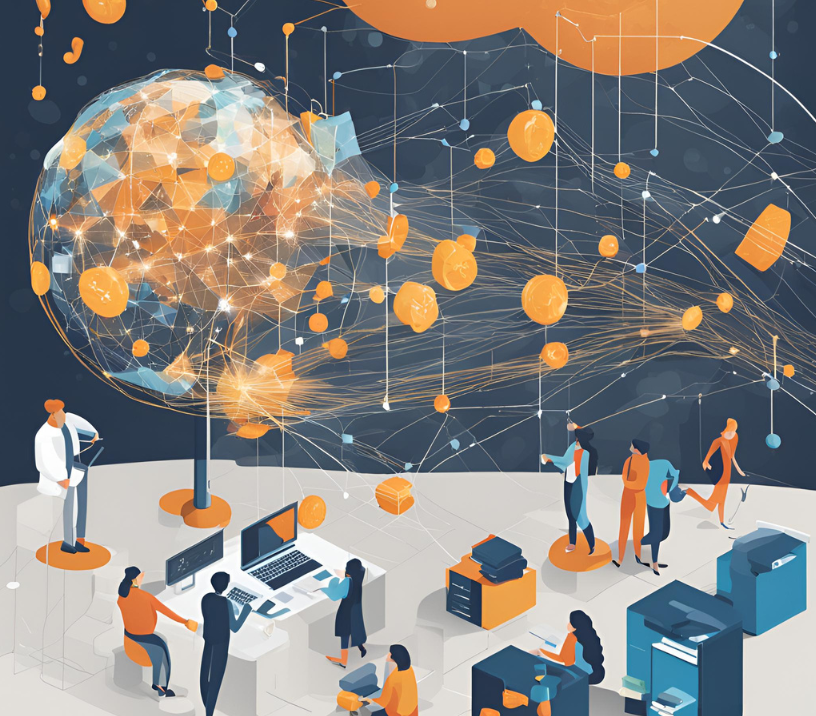
Imagine a world where your IT systems can repair themselves as if by magic. Our Sky-E Red team is here to turn this dream into reality. Let's dive into the world of core modernization and self-healing technology together and find out why partnering with us might be the best idea. Our experience and expertise as well as our customer-centric approach allows us to implement innovative, sustainable solutions with long-term scalability in mind. A first selection of strategies for self-healing technology from our side can be found here:
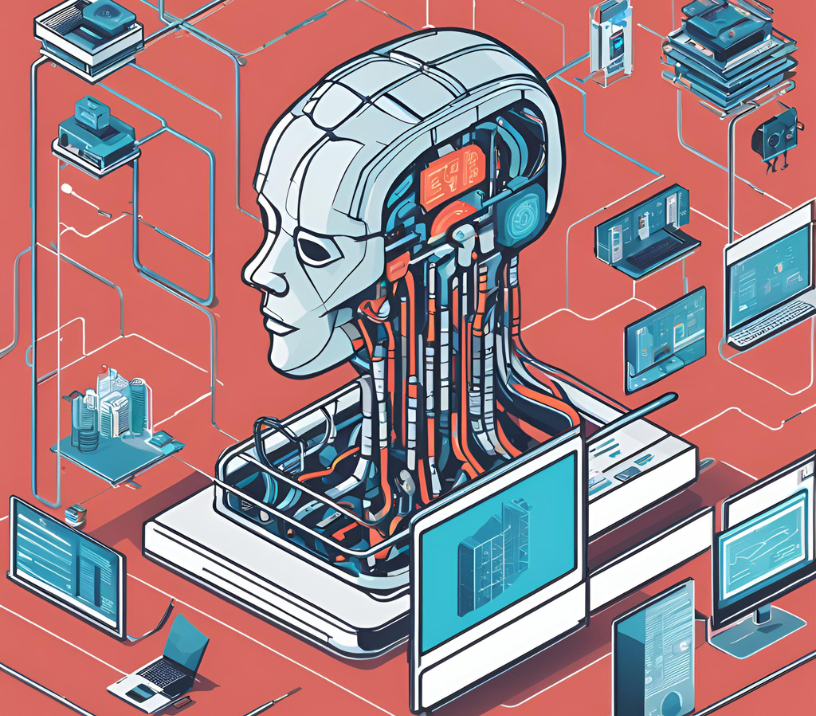
Error detection and correction
Self-healing systems can continuously monitor their own processes and detect errors in real time. As soon as a problem is identified, automatic corrective measures can be initiated, such as restarting modules or executing self-repair protocols.
Adaptive learning skills
These systems use machine learning to constantly adapt to new data and experiences. They can refine their algorithms and develop their internal structures to become more resilient to unexpected situations.
Use of AI applications
Artificial intelligence plays a central role in self-healing technologies. AI applications can recognize complex patterns, make predictions and take proactive measures to prevent problems before they occur
Self-repairing code
Some advanced systems can analyze their own code and correct errors independently. This reduces the need for human intervention and increases the robustness of the system.
Self-service capabilities
These technologies enable users to solve many problems themselves without having to rely on IT support. This can be achieved through user-friendly interfaces and automated help systems.
CONCLUSION
In a constantly evolving technology landscape, companies need to stay one step ahead to avoid the risk of becoming digital dinosaurs. Core modernization and self-healing technology are the dynamic duo that will ensure your company not only survives but thrives in the age of innovation.
New technology trends that are currently knocking on your door include, among others:
Extended Reality (XR)Train your employees in a virtual environment or present your entire product portfolio to customers via augmented reality. XR is revolutionizing industries from education to healthcare.
Artificial intelligence (AI)Modernized systems can seamlessly integrate AI, automate everyday tasks and provide insightful analytics.
Internet of Things (IoT)With a modern core, your business can harness the power of the IoT and connect devices and systems for smarter operations.
Industrial MetaverseA digitally augmented space where the physical and digital worlds converge and virtual replicas of industrial environments are placed to improve processes through real-time data and simulations.
You can think of "self-healing technology" as your IT infrastructure's personal doctor, constantly monitoring and fixing potential problems before they become real problems. This means less downtime and more uptime for innovation and growth.
Our Sky-E Red team has a proven track record of guiding companies through complex technical transformations. We understand that every business is unique and will work with you to develop customized strategies that are tailored to your specific needs and goals. Naturally, we use our extensive knowledge of the latest technologies to ensure that your system is not only brought up to date, but also future-proofed.
Are you ready for the leap into the future? We're just a click away!