

KI-BASED WORKFLOW OPTIMIZATION

Our team works tirelessly to develop customized, end-to-end AI workflow automation solutions that are tailored to the specific needs of our customers, taking into account individual factors and requirements at every step. If you already have an idea of which workflows can be automated by AI, please contact us directly or arrange a free, no-obligation consultation with one of our experts. If not, read on for more insights and application examples.

WHAT IS KI-BASED WORKFLOW OPTIMIZATION?

AI for workflow optimization is a game changer and enables companies to streamline processes, increase efficiency and drive continuous improvement. By using advanced algorithms and machine learning techniques, companies can unlock the full potential of their data, identify bottlenecks and implement data-driven solutions to optimize workflows.

The use of AI-powered workflow optimization will be critical to staying competitive as the technology continues to evolve and its ROI continues to increase across all markets. However, if an AI solution is not tailored to the specific use case, it can lead to extra work or even provide data that is irrelevant to a business. That's why our Sky-E Red team is always ready to step in!

Are you still in the process of defining your use case or looking for additional inspiration? We also have some initial ideas for this:

Production

AI is being used to optimize production workflows, including scheduling, inventory management and predictive maintenance. Companies around the world have begun to implement AI-powered workflow optimization to improve production efficiency and reduce downtime.

Logistics & eCommerce

AI is used to optimize transportation and supply chain operations, including route planning, fleet management and warehouse operations. LSPs use implemented AI-supported workflow optimization to improve delivery times and reduce transport costs.
Healthcare

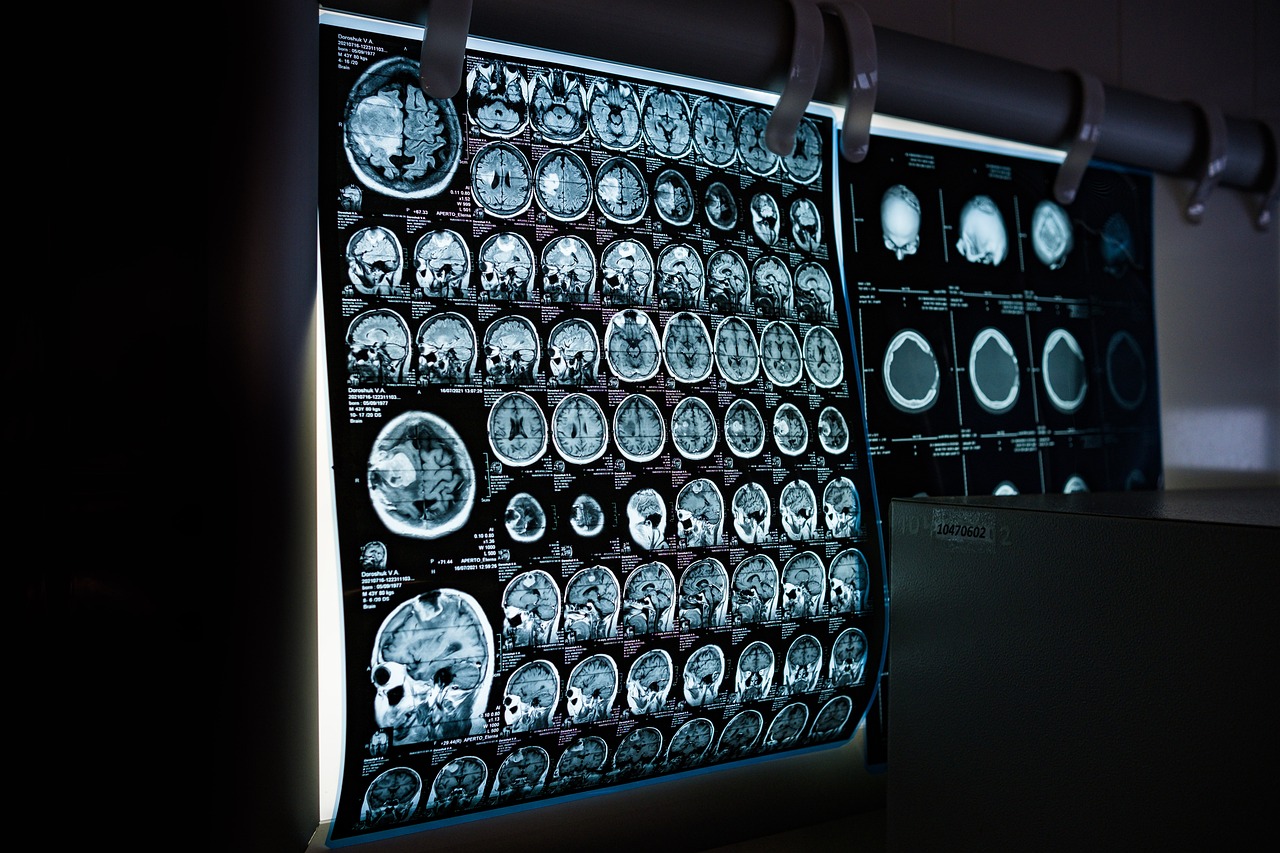
With the help of AI, patient flow in hospitals can be optimized and the admission, treatment and discharge processes can be optimized. For example, hospitals can implement AI-supported workflow optimization to reduce patient waiting times and improve resource utilization.

Finances

Banks and financial institutions are using AI to optimize loan processing, credit risk assessment and compliance workflows. Some of these institutions have implemented AI-powered workflow optimization to speed up loan approvals and improve the customer experience.

Customer service

AI is used to optimize customer support workflows, including ticket routing, knowledge base management and chatbot interactions. AI-powered workflow optimizations improve the customer experience and increase agent productivity exponentially.

HOW DOES KI WORK?

In short, AI for workflow optimization typically involves three key components: Data collection, analysis and implementation.

Relevant data is collected from various sources, for example from ERP (Enterprise Resource Planning) systems, CRM (Customer Relationship Management) platforms and other company databases.

This data can include information on process steps, task duration, resource utilization or performance metrics. Customized AI algorithms and machine learning models are then applied to analyze the collected data and identify patterns, correlations and inefficiencies within the existing workflows. Techniques such as process mining, simulation modelling and optimization algorithms are used to generate recommendations for process improvements, resource allocation and task automation.

Once an AI-supported decision support system is in place, real-time optimization and performance monitoring of processes ensure that our customers' systems run as efficiently as possible.

DID YOU ALREADY KNOW?

AI-powered workflow automation can also be used to optimize the cloud, hybrid cloud or multi-cloud. In this case, the same principle applies: using an AI algorithm tailored to our customer's individual circumstances, precise compute, storage and database configurations can be performed based on cost, latency and compliance requirements, maximizing both cloud cost savings and efficiency.

From containerization and serverless computing to continuous cost monitoring and hybrid cloud optimization, AI enables organizations to tackle the complexities of cloud cost management with agility and precision. Considering these additional cues alongside existing trends will enable organizations to achieve sustainable cost savings, maximize their ROI and drive long-term success in the cloud-native era.

Thanks to our extensive expertise not only in AI-based workflow automation, but also in cloud and DevOps services, we are able to help companies explore opportunities for innovation and competitiveness in the cloud. Let us know if you would like to dive deeper into the topic!